Material Selection
How to Select Refractory Materials for High-Temperature Applications
6 min read
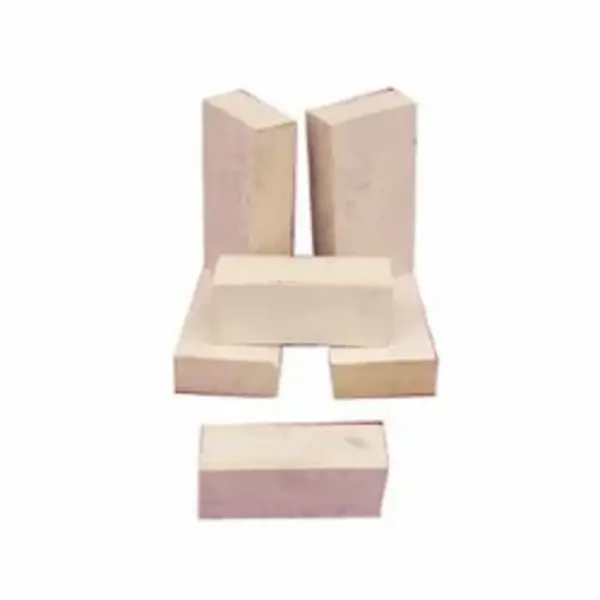
Selecting refractory materials is about matching the material to the real conditions inside your equipment. Getting the specification right the first time avoids premature failure and unplanned downtime.
1. Operating temperature
Start with the maximum continuous temperature and any peaks. This narrows the material class and grade quickly, but temperature is only the beginning.
2. Atmosphere and chemistry
Reducing or oxidising atmospheres, slag, molten metal, alkalis and process gases all attack refractories differently. The right choice resists the specific chemistry your process presents.
3. Mechanical and thermal stress
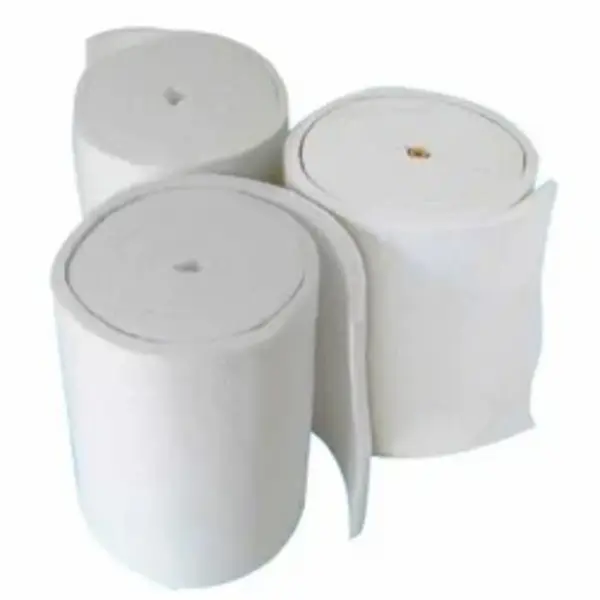
Abrasion, impact and thermal cycling determine whether you need a dense, strong hot face or a shock-tolerant material. Frequent cycling favours low-heat-storage materials such as ceramic fibre.
4. Insulation and heat loss
Behind the hot face, insulating layers control heat loss and shell temperature. A well-designed lining balances hot-face durability with back-up insulation.
5. Installation and anchoring
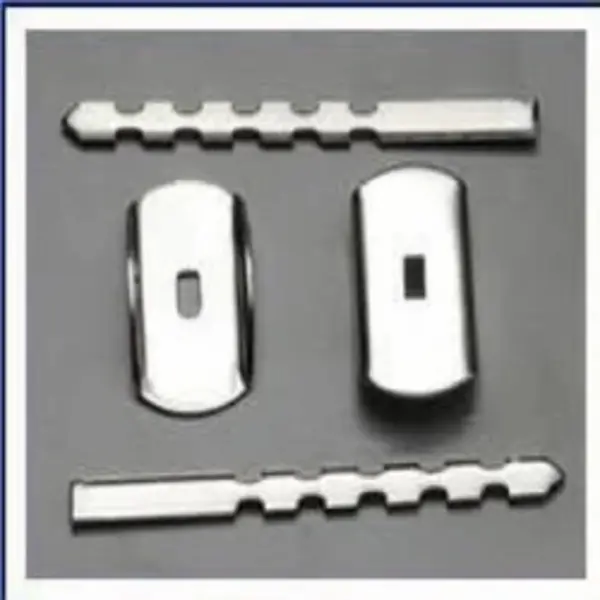
How the lining will be installed, and how it is anchored, matters as much as the material itself. Monolithic linings need correctly specified anchors and dry-out.
Getting help with selection
If you can share operating temperature, atmosphere, wear conditions and equipment type, our team can help you identify suitable material options and source them for your requirement.
Have a specific requirement? Request a quote and our team will help you source suitable material.